Mowing looks easy—just get on the mower and cut—but it’s not that simple. Our crew has mowed through every condition: wet grass, bone-dry turf, thick overgrown patches, thin spots, heavy weeds, and healthy lawns.
We built our methods around paying close attention and making quick adjustments so every cut comes out clean and even, no matter what the lawn throws at us. Proper mowing is one of the most important things you can do for lawn health.
We also help you make informed decisions on related to leaves and thatch.
Scroll down to see the main pieces of how we do it:
Mower Maintenance
Mower Operation
Lawn Conditions
Blade Height & Clippings
Leaf Management
Dethatching
Yard Maintenance
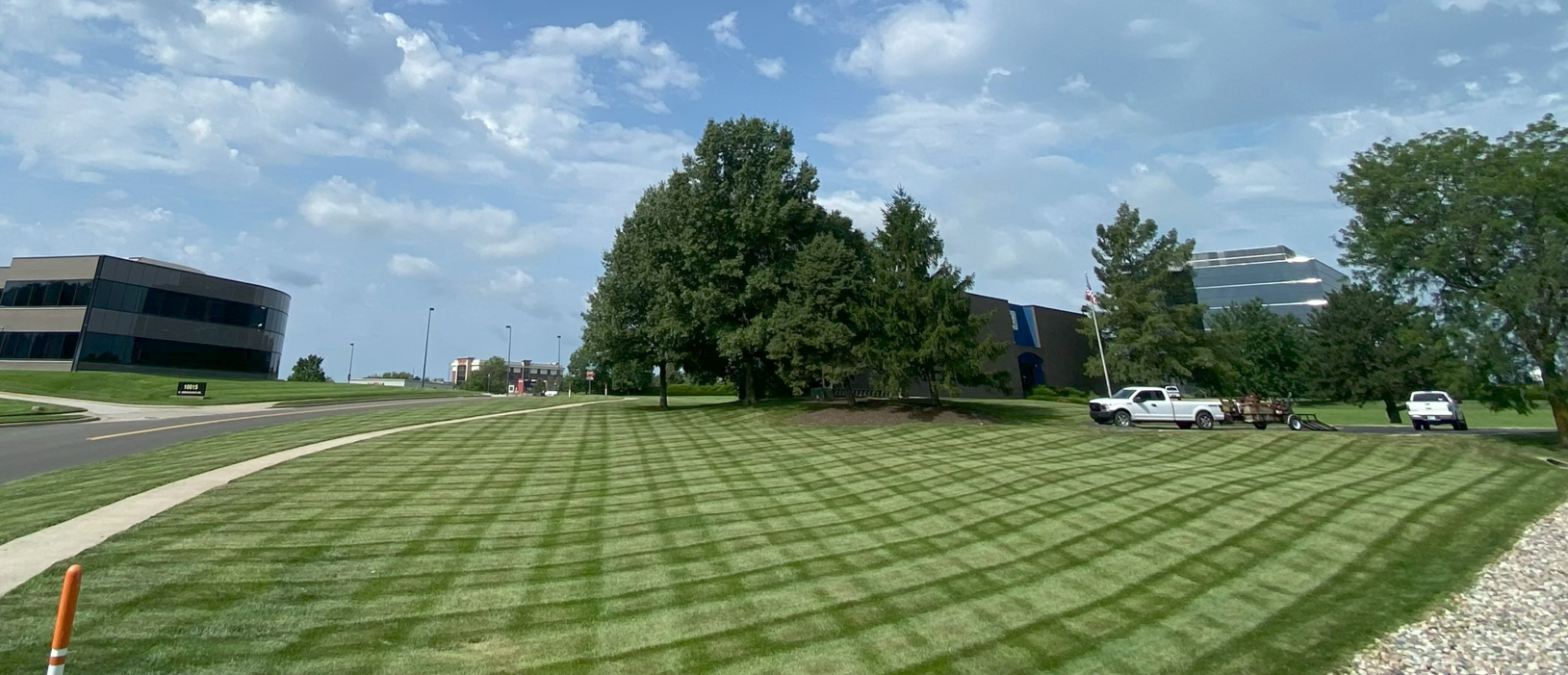
Mower Maintenance
Good cut quality starts with a well-kept mower.
We change oil on schedule to keep the engine strong and avoid mid-season breakdowns.
Tire pressure gets checked before every job to spread weight evenly and reduce soil compaction.
We clean the deck after each cut to stop buildup, and blades are sharpened every 10–20 hours so they slice instead of tear. Sharp blades mean cleaner cuts, less stress on the grass, and lower chance of disease.
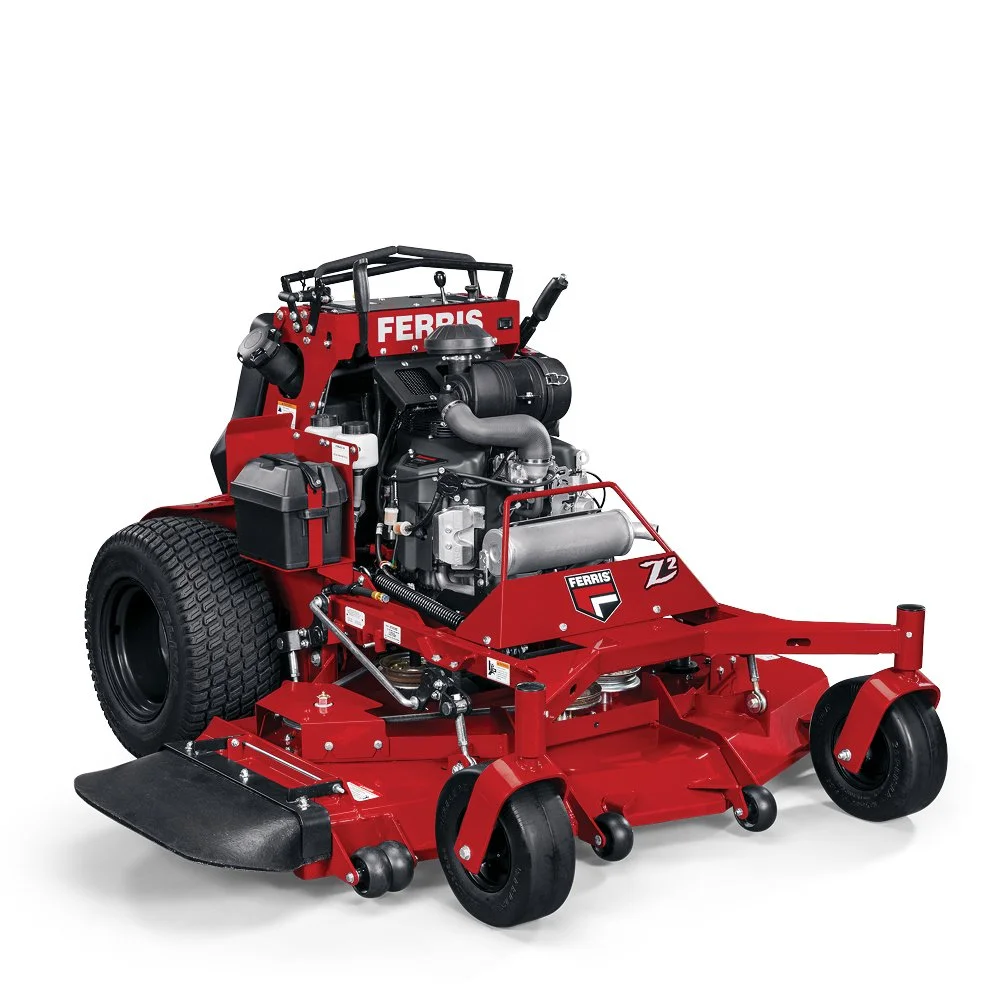
We rotate mowing patterns weekly to prevent ruts, reduce soil compaction, promote upright grass growth, and keep the lawn healthier and more even. To support clean pattern changes without damaging turf, we operate at a steady, moderate speed (well under our machines' 12 mph max) for precise control and minimal tearing.
We use smooth rolling turns with all tires moving—no sharp pivots—slight overlaps on each pass, and gradual Y-turns at row ends to avoid compaction and keep the job efficient. This approach delivers a professional, striped finish every time while protecting the lawn long-term.
Mower Operation
Lawn Conditions
We prefer dry conditions, but schedules don’t always allow it.
When we have to mow wet grass, we blow out tire tracks right away and recut any flattened areas so grass doesn’t mat down and kill what’s underneath.
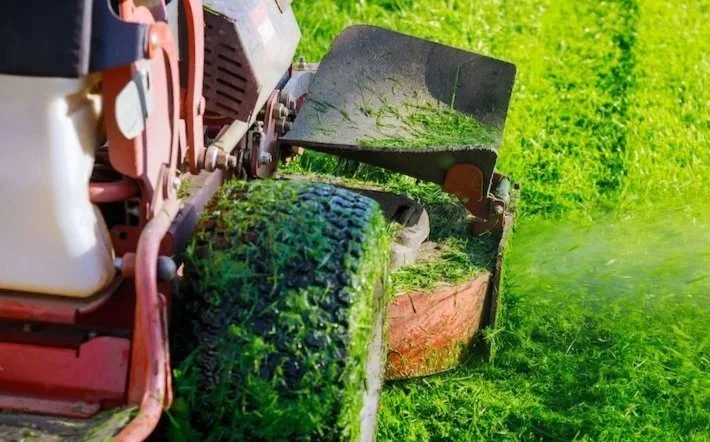
For thick growth, heavy leaf cover, or heavy clipping buildup, we double- or triple-cut as needed, then blow clippings off hard surfaces. We mulch and return most clippings to feed the lawn naturally.
We set blade height based on grass type, season, and current height—never removing more than one-third of the blade length in a single cut.
This “one-third rule” prevents scalping, encourages deeper roots, and builds denser turf. We use mulching blades whenever possible to chop clippings fine and drop them back into the lawn as free fertilizer.
If clippings pile up too much (after heavy growth or wet cuts), we bag to keep the surface clean and prevent thatch buildup.
Blade Height & Clippings
Leaf Management
Light leaf cover in early fall is beneficial—we mulch it during mowing to chop leaves finely, returning nutrients to the soil and improving organic matter without extra effort.
This eco-friendly approach feeds the lawn naturally and avoids unnecessary raking.
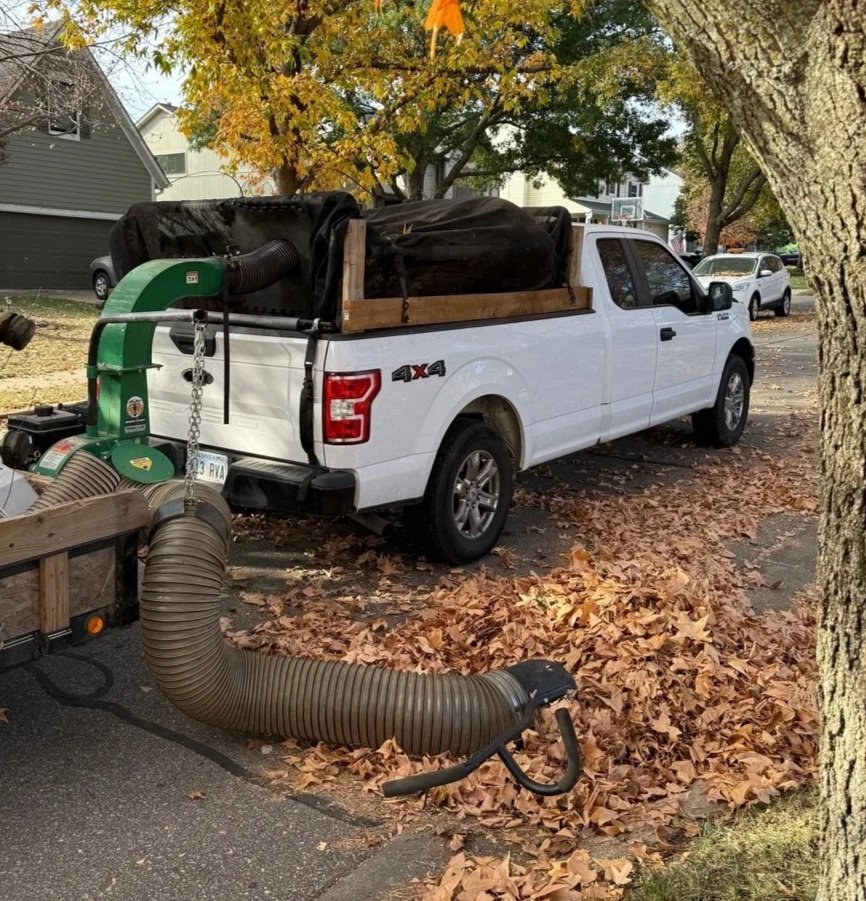
When heavier leaf buildup occurs (mid-to-late fall), thick layers can smother grass, block sunlight and air, trap moisture, and increase disease risk. At that point, we switch to full removal—blowing, raking, or vacuuming—to clear the lawn and protect turf health through winter.
This service is available on request as a one-time cleanup or added to your mowing plan, so you get nutrient recycling when it helps and clean removal when it’s needed.
Thatch is the layer of dead grass, roots, and organic debris between soil and green blades. A thin layer (½ inch or less) benefits the lawn—it insulates roots, retains moisture, and cushions turf. When thatch exceeds ½ inch, it blocks water, air, and nutrients, raises disease risk, and increases vulnerability to drought, heat, and winter damage.
We use the Toro Multi-Force front-mount tine rake dethatcher, which attaches to our mower: patented tines gently lift and comb out excess thatch as we mow, discharging it directly into a bagger for clean removal. This gentler approach is ideal for most Kansas lawns—it effectively clears problem thatch while minimizing stress on healthy grass, shortening recovery time, and delivering great results compared to more aggressive power rakes.
We dethatch only when needed (typically every 1–3 years) in early spring or fall for fast regrowth, and we can bundle it with aeration or overseeding for optimal results.
Dethatching
Get In Touch
If you're interested in working with us, complete the form with a few details about your project. We'll review your message and get back to you within 48 hours.